
Let’s talk pantries. Those magical cupboards full of “essentials” that somehow manage to hide more drama than group chats.
Between BPA-lined cans, mystery oils, and snacks with ingredient lists longer than a novel, your pantry might be secretly sabotaging your clean living goals.
Today we’re diving into non-toxic pantry swaps—15 simple, high-impact swaps that make your cupboard safer, your meals healthier, and your kitchen a low-tox zone you can actually feel good about.
No judgment, no overwhelm—just practical swaps you can start today (yes, even if your pantry currently looks like a chemical experiment).
Medical Disclaimer: This post is for educational purposes only and is not medical advice. I’m not a healthcare professional, and nothing here is a substitute for guidance from your provider. Always consult a qualified professional before making changes to your health, supplements, or lifestyle. Please see the full disclaimer for more details.
Affiliate Disclosure: This post may contain affiliate links or links to Amazon. If you choose to purchase anything through these links, I may earn a commission at no cost to you. As an Amazon Associate, I earn from qualifying purchases. Thank you so much for your support, you’re the best! See the full disclosure for details.
Hidden Toxins in Your Pantry
Your pantry might look harmless, but behind those neatly stacked cans and “healthy-ish” snacks are some sneaky culprits that love lurking in everyday foods—basically the uninvited guests at your clean eating party.
Let’s break down the biggest ones so you know exactly what you’re working with.
Want an Easy Place to Start?
If you’re new to clean living, figuring out which swaps actually matter can feel overwhelming.
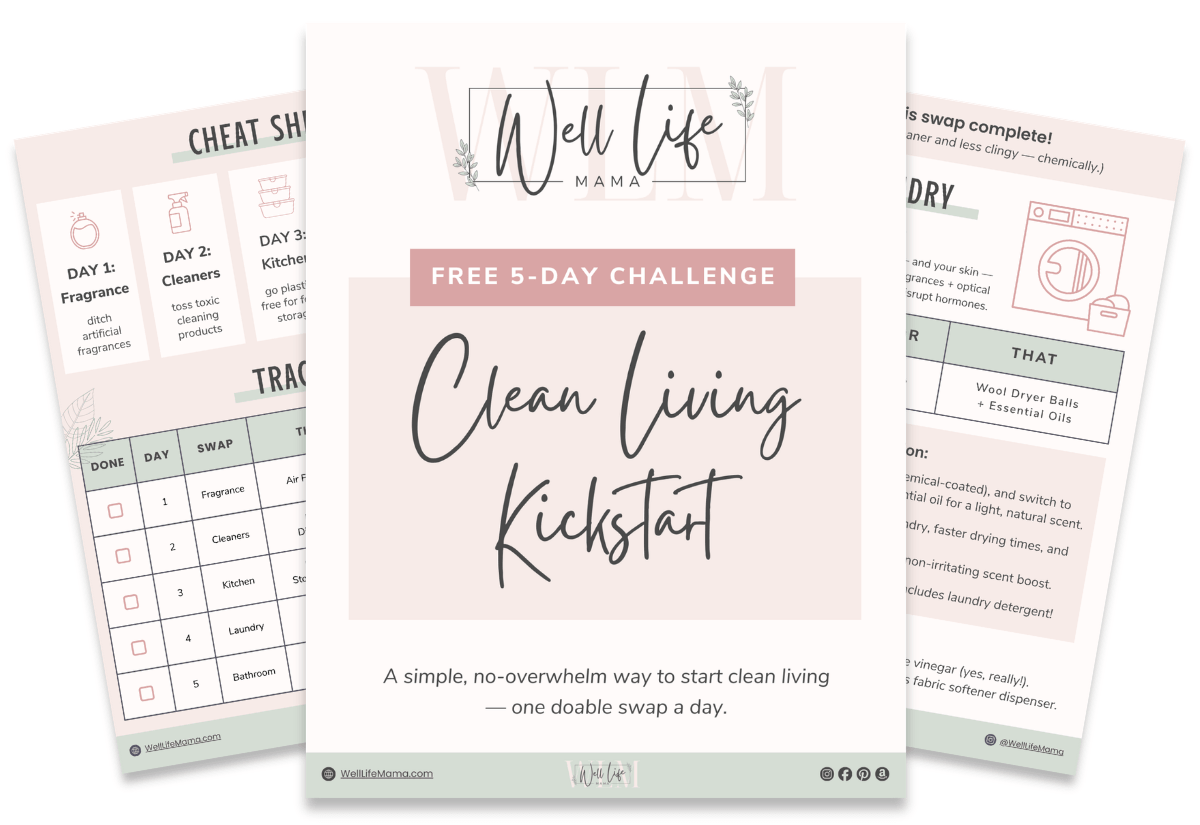
That’s why I created a free 5-Day Clean Living Kickstart that walks you through 5 simple swaps to reduce toxins in your home without hours of research.
✔ quick wins
✔ beginner-friendly swaps
✔ no overwhelm
BPA (Can Linings)
BPA (bisphenol A) is a chemical used to line many canned foods to prevent corrosion and extend shelf life.
The problem? BPA is a known endocrine disruptor, meaning it can interfere with your hormones—aka the control center for everything from metabolism to fertility.
Where They Show Up:
- canned beans
- canned fruits + veggies
- canned soups + broths
BPA can leach into your food, especially with acidic items like tomatoes.
Not exactly what you want your dinner marinating in.
Artificial Flavors, Colors & Sweeteners
These are lab-created additives designed to make food taste better, look brighter, and last longer on shelves.
The concern here is that many of these additives have been linked to behavioral issues, gut disruption, and increased inflammation—while adding zero nutritional value.
Where They Show Up:
- cereals
- packaged snacks
- flavored drinks + drink mixes
- candy + “low-calorie” treats
If it looks neon or tastes like “blue raspberry”… you already know.

Preservatives + Additives
Preservatives are added to extend shelf life and prevent spoilage, while additives are used to enhance flavor, texture, and appearance. Seems helpful, right? But they come with trade-offs.
Some commonly used preservatives—like sodium benzoate, potassium sorbate, and BHA/BHT—have been linked to gut irritation, inflammation, and potential long-term health concerns.
While flavor enhancers like MSG (monosodium glutamate) are often added to make foods more addictive and “flavorful,” research has raised concerns about MSG’s potential impact on metabolic health, gut function, and neurological pathways.
Where They Show Up:
- shelf-stable meals
- snack foods
- sauces + condiments
- baked goods
Because apparently your crackers need a longer life span than your houseplants.
Inflammatory Seed Oils
Highly processed oils like soybean, canola, corn, and sunflower oil are commonly used because they’re cheap and have a long shelf life.
But these oils are often highly refined using high heat and chemical processes, which can cause them to oxidize and contribute to inflammation in the body.
Where They Show Up:
- chips and crackers
- salad dressings
- condiments
- basically every processed snack ever
They’re everywhere… which is exactly why swapping them matters.
👉 You may also like: Non-Toxic Kitchen Swaps: 15 Easy Changes for a Low-Tox Kitchen & Healthier Cooking
Added Sugar
Sugar isn’t just in desserts—it’s hiding in places you’d never expect.
And added sugar can spike blood sugar, contribute to inflammation, disrupt hormones, and lead to energy crashes that leave you reaching for… more sugar.
Where They Show Up:
- sauces (ketchup, BBQ, pasta sauce)
- breads, crackers and cookies
- nut butters + dried fruit
- “healthy” snacks like granola, granola bars and protein bars
A sneaky sugar party your pantry didn’t warn you about.
Stabilizers & Thickeners
Ingredients like carrageenan, xanthan gum, and guar gum are used to improve texture, consistency, and shelf life.
While they keep foods smooth and uniform, some have been linked to digestive irritation and gut imbalances—especially for sensitive individuals.
Where They Show Up:
- shelf-stable nut milks
- salad dressings and sauces
- boxed mixes and packaged foods
- protein powders and drink mixes
They keep your food smooth… not so much your gut.
Once you start spotting these, you can’t unsee them—which is exactly the point. Awareness is what makes the swaps actually stick.
How to Choose Non-Toxic Pantry Products
Okay, so now that you know what’s lurking in your pantry… how do you actually shop without spiraling in the grocery aisle reading 47 labels like it’s your full-time job?
Good news: you don’t need to overhaul everything overnight to start clean eating with non-toxic pantry swaps. A few simple shifts can make a big difference.
Read Ingredient Labels (Like a Detective, Not a Victim)
Flip it over. Always.
If the ingredient list reads like a science experiment or is packed with things you can’t pronounce, that’s your cue to pause. The goal isn’t perfection—it’s choosing products with simple, recognizable ingredients whenever possible.
Shorter ingredient list = usually a safer bet.
Watch for Sneaky Oils + Sugars
These two love to hide everywhere—even in foods that look “healthy” at first glance.
Yes, even organic products can still contain inflammatory seed oils or refined sugars, which means that “organic” doesn’t automatically equal low-tox.
Look out for:
- “vegetable oil” (aka mystery oil blend)
- soybean, canola, corn, or sunflower oil
- added sugars like cane sugar, brown rice syrup, corn syrup, maltodextrin
It might seem small in one product, but when it’s in everything? It adds up fast.
👉 You may also like: 21 Clean Living Benefits You’ll Actually Notice in Real Life
Choose Better Packaging
What your food is stored in matters just as much as the food itself.
When possible, opt for:
- glass jars
- paper or cardboard packaging
- frozen fruits + vegetables instead of canned
- BPA-free cans (if you’re buying canned)
Frozen options are often just as nutritious and skip the chemical linings found in many cans.
Less plastic linings, less leaching, less to worry about.
Opt for Minimally Processed + Whole Foods (When You Can)
The closer your food is to its original form, the better it typically is for your body.
Highly processed foods often go through multiple steps that strip nutrients, add preservatives, and introduce refined oils and sugars that can contribute to inflammation and blood sugar spikes.
When possible, lean into whole foods like:
- fruits + vegetables
- simple grains (like oats, farro or rice—just reduce the arsenic in your rice as much as possible beforehand)
- nuts + seeds
- simply prepared proteins like grass-fed beef, wild-caught seafood, pasture-raised chicken + eggs
Simple ingredients = easier for your body to recognize, digest, and actually use.
Don’t Try to Be Perfect
This is where most people get stuck.
You do not need a Pinterest-perfect pantry overnight. Start with a few high-impact non-toxic pantry swaps (oils, sugar, snacks), and build from there.
Progress > perfection… always.
15 Non-Toxic Pantry Swaps for a Healthier Home
These non-toxic swaps target some of the biggest sources of hidden toxins in your pantry—aka the foods and ingredients you’re using on a daily basis.
And remember, you don’t need to overhaul everything at once (but if you suddenly feel the urge to purge your pantry and start upgrading things… I won’t stop you 😉).
Small swaps, over time, make a bigger difference with clean eating than you think.
1. Coffee → Organic, Non-Toxic Coffee
Coffee is one of the crops most heavily sprayed with pesticides, which means conventional beans can carry significant pesticide residues.
And lower-quality coffee can also contain mold and mycotoxins—harmful compounds produced by mold that may impact gut health and overall wellness.
When shopping for coffee, choose organic whenever possible. And if you can find one that’s been third-party tested for mold and mycotoxins, even better!
🌿 Crunchy Tip: If you drink decaf, look for Swiss Water® Process coffee, which uses water instead of chemical solvents to remove caffeine.
What to use instead:
- Regular Coffee
- Kion
- Lifeboost (Low Acid)
- Purity Coffee
- Budget-Friendly Option: Kicking Horse
- *NOTE: Kicking Horse doesn’t advertise that their coffee is mold and mycotoxin-free. But they say: “Kicking Horse Coffee has extremely high-quality standards to ensure we mitigate the risk of mycotoxin exposure. Our testing has always been negative to molds, bacteria or yeast.”
- Decaf Coffee
- Fabula (Dark Roast, Low Acid)
- Kion (Medium Roast)
- Lifeboost (Medium Roast, Low Acid)
- Purity Coffee (Medium Roast)
- Budget-Friendly Option: Kicking Horse (*See NOTE above, Dark Roast)
What to avoid:
- Conventional, non-organic coffee
- Artificially flavored coffee
Your daily coffee ritual deserves an upgrade. ☕
➡️ Next Stop: You picked better coffee… now let’s make sure you’re brewing it in something better, too. Check out my Kitchen Non-Toxic Swaps guide for my favorite low-tox coffee makers and brewing methods.
👉 You may also like: 5 Easy Ways to Start Reducing Your Toxin Build Up
2. Refined Sugar + Artificial Sweeteners → Natural Sweeteners
Many “sugar-free” foods rely on artificial sweeteners. And both artificial sweeteners and refined sugar affect blood sugar, gut health, and metabolism.
What to use instead:
- 100% pure maple syrup
- Raw honey
- Coconut sugar
- Monk fruit (minimal added ingredients + alcohol-free if that’s important to you)
What to avoid:
- High fructose corn syrup
- Artificial sweeteners (aspartame, sucralose)
- Sweetener blends containing sugar alcohols like erythritol
🌿 Crunchy Tip: Stevia is often marketed as a healthy, natural sweetener. But research suggests its steviol glycosides may have steroid-like activity and could influence hormone signaling. I personally stick to maple syrup, raw honey, coconut sugar, or monk fruit instead.
Satisfy your sweet cravings without the side effects.
3. Vegetable / Seed Oils → Healthier Cooking Oils + Fats
Most “vegetable oils” are highly processed seed oil blends that are made using high heat and chemical extraction.
They’re often high in omega-6 fats, which can throw off your body’s balance and create inflammation.
What to use instead:
- Avocado oil (perfect for high heat)
- Coconut oil (great for baking + sautéing)
- Extra virgin olive oil (best for low–medium heat or drizzling)
- Grass-fed beef tallow (excellent for high-heat cooking & roasting)
🌿 Crunchy Tip: Olive oil shouldn’t be heated past its smoke point (around 350–410°F). At higher temps, it can break down and create harmful, potentially carcinogenic compounds.
What to avoid:
- “Vegetable oil” or oil blends
- Soybean, canola, corn, sunflower oil
A simple swap that upgrades almost everything you cook.
4. Conventional Flour → Organic or Alternative Flours
Bleached and refined flours are stripped of nutrients and may contain pesticide residues.
What to use instead:
What to avoid:
- Bleached or bromated flour
Clean flour = better base for everything you bake.
5. Table Salt → Clean Salt
Highly processed table salt is stripped of trace minerals and often contains additives like anti-caking agents.
Many salts (including sea salt and Himalayan pink salt) also contain contaminants like trace heavy metals and microplastics.
What to use instead:
What to avoid:
- Anti-caking agents like sodium aluminosilicate (contains aluminum), tricalcium phosphate, or magnesium carbonate
A pinch of awareness makes all the difference.
👉 You may also like: How to Lose Weight Naturally (Without Diets, Drama, or Soul-Sucking Workouts)
6. Conventional Baking Powder → Aluminum-Free Baking Powder
Believe it or not, there are quite a few baking powders that contain aluminum compounds, which can increase exposure to the heavy metal over time.
What to use instead:
What to avoid:
- Baking powder with “sodium aluminum sulfate” listed as one of the ingredients
Your muffins and pancakes stay fluffy—without a side of metal.
7. Spices → Organic, Single-Ingredient Spices
Spices are pantry staples—but they can be contaminated with pesticides, heavy metals, and even fillers depending on sourcing and quality.
What to use instead:
What to avoid:
- “Spice blends” with additives or anti-caking agents
- MSG (monosodium glutamate) or other flavor enhancers
- Low-quality, non-organic spices when possible
Because even your seasonings shouldn’t be sneaking in extras.

8. Condiments → Clean or Homemade Condiments
Ketchup, mayo, and dressings often hide sugar, inflammatory oils, and preservatives.
What to use instead:
- Avocado oil-based mayo
- No sugar added ketchup
- Simple ingredient dressings
- Homemade Greek yogurt ranch dressing
What to avoid:
- Added sugar
- Seed oils
- “Natural flavors” (may contain MSG)
Sauces that actually complement your food (and health).
9. Conventional Broth → Homemade or Clean-Ingredient Broth
Store-bought broths often contain additives, preservatives, and vague “natural flavors.”
What to use instead:
- Homemade broth (if you’re feeling fancy)
- Organic, simple-ingredient broth
What to avoid:
- MSG
- Yeast extract
- “Natural flavors”
Soup… but make it actually nourishing.
5 Easy Swaps To Start Clean Living
Overwhelmed by labels, toxins, and where to even begin? This FREE 5-Day Clean Living Kickstart shows you how to start clean living with simple swaps—no extremes, no stress, no pressure to be perfect.
10. Canned Goods → Dry Beans or BPA-Free Canned Beans
Food cans are often lined with BPA, which can leach into food (especially with acidic foods like tomatoes).
What to use instead:
- Frozen fruits + vegetables
- Dried beans (soaked + cooked)
- Glass jar tomatoes
- BPA-free canned options (but they may still contain alternative chemicals, including other bisphenols)
- This brand uses BPA, BPS, and phthalate-free can linings
What to avoid:
- Standard lined cans (especially for acidic foods)
Convenience—just without the chemical drama.
11. Conventional Crackers → Seed or Whole Grain Crackers
Many crackers are made with refined flour, processed oils, and long ingredient lists. It’s challenging to find clean crackers that don’t contain inflammatory seed oils like sunflower oil.
But… challenge accepted! Check out the below cleaner cracker options.
What to use instead:
- Suzie’s Organic Saltines Crackers
- Jovial Organic Sourdough Einkorn Crackers (*contains palm fruit oil)
What to avoid:
- Inflammatory oils (think: vegetable, canola, soybean, sunflower oil. etc.)
Still crunchy… just less questionable.
👉 You may also like: Healthy Candied Walnuts Recipe (Refined Sugar-Free!)
12. Breakfast Staples (Oatmeal, Cereal & Granola) → Simple, Low-Sugar Options
These breakfast staples often wear a “healthy” label. But many versions are ultra-processed and loaded with added sugar, seed oils, and artificial ingredients that can spike blood sugar and leave you crashing shortly after.
What to use instead:
- Rolled oats or steel-cut oats
- Homemade granola
- No sugar added whole grain cereals with minimal ingredients
What to avoid:
- Flavored instant oatmeal packets
- Sugar-heavy granola and cereals
- Artificial flavors and preservatives
- Vegetable and seed oils
Breakfast… without a side of sketchy ingredients.
13. Packaged Snacks → Whole Food or Simple Ingredient Snacks
Most packaged snacks and bars are basically candy bars in disguise.
What to use instead:
- Nuts, seeds, dried fruit
- Healthy candied walnuts
- Simple ingredient bars made with dates
- Homemade energy bites
What to avoid:
- Long ingredient lists
- Added sugars and syrups
- Inflammatory oils and artificial flavors
Snack time without the ingredient guessing game.

14. Nut Butters → Clean, Single-Ingredient Nut Butters
Nut butters seem healthy—but many are packed with added sugars, seed oils, and stabilizers that take them from nourishing to not-so-great.
What to use instead:
What to avoid:
- Added sugar or syrups
- Hydrogenated or refined oils
- Long ingredient lists
If it’s not basically just “nuts”… we have questions.
15. Protein Powder → Clean Protein or Collagen Peptides
Many protein powders are filled with artificial sweeteners, gums, fillers, and artificial or “natural flavors” that can irritate the gut and turn a healthy choice into a not–actually–healthy one.
What to use instead:
- Grass-fed collagen peptides (simple, gut-friendly option)
- Clean protein powders with minimal, clean ingredients
What to avoid:
- Artificial sweeteners (aspartame, sucralose)
- Erythritol-containing blends
- Gums and thickeners (carrageenan, xanthan gum)
- Long ingredient lists
Because your “healthy smoothie” shouldn’t include additives as a secret ingredient.
Want a shortcut?
I’ve rounded up my favorite low-tox pantry staples and clean pantry swaps on my Amazon Storefront so you don’t have to hunt down non-toxic pantry swaps on your own.
👉 Shop my Amazon Pantry Picks here
How to Start a Low-Tox Pantry (Without Replacing Everything)
If you’re side-eyeing your pantry right now wondering if you need to throw everything away and start over… don’t.
Clean eating isn’t about perfection—it’s about making better choices, one low-tox pantry swap at a time.
Start With What You Use Most
You don’t have to replace everything overnight. Think about the items you reach for every day—oils, flours, spices, and coffee. These are your high-impact swaps, and upgrading them first gives you the biggest return without the overwhelm.
Replacing even a few of these with clean pantry ingredients or low-tox pantry swaps can have a surprisingly big impact on your overall diet and wellness.
Swap As You Go
No need to toss perfectly good food (we’re not about that wasteful life).
As you run out of something, replace it with a cleaner option. That’s it. That’s the strategy. Slow, steady, sustainable.
When you’re restocking, keep your eyes open for common sneaky toxins. Look for organic options, simple ingredient lists, and non-toxic pantry staples.
Over time, your grocery cart will naturally lean toward healthier swaps, and you’ll start noticing the difference in the foods you prepare.
Upgrade Ingredients, Not Your Entire Life
You don’t need to become a from-scratch homesteader overnight (unless you want to—then I fully support you 😂).
Start simple:
- Better oils
- Less sugar
- Fewer additives
- Cleaner snacks
The key to a healthier, low-tox pantry is simple: small, intentional swaps over time. Start by focusing on the ingredients you use most often, then expand to other pantry staples as you go.
👉 You may also like: Easy, Tasty + Healthy Homemade Granola Recipe – You’ll Never Buy Granola Again!
Make Gradual Swaps
Start with one category at a time. Maybe this week you swap your cooking oils. Next week, tackle your breakfast staples.
Before long, your pantry will be filled with high-quality, non-toxic foods that actually support your health—without the overwhelm of replacing everything at once.
Keep It Real (and Budget-Friendly)
Non-toxic pantry swaps don’t have to mean doubling your grocery bill.
Prioritize what matters most, buy in bulk when you can, and remember—doing something is always better than doing nothing.
Progress over perfection, always.
Build Your Go-To Staples
Once you find clean versions you love, stick with them. Having a few low-tox pantry staples makes shopping easier, faster, and way less mentally exhausting.
Because no one wants to re-research mayo every week—or wonder if their sugar, coffee, or spice mix is secretly packed with sketchy additives.
Keep It Fun and Sustainable
A low-tox pantry isn’t about perfection. It’s about consistency and making choices that stick. Enjoy experimenting with new, cleaner ingredients.
Try a new organic spice blend, a fresh nut butter, or a minimally processed snack. The small upgrades build on each other until your pantry feels clean, simple, and full of options you can feel good about.

Want an Easy Place to Start?
If you’re new to clean living, the hardest part is usually figuring out which non-toxic swaps actually matter most.
That’s exactly why I created the Free 5-Day Clean Living Kickstart.
It walks you through five simple swaps that significantly reduce toxins in your home — without overwhelm or expensive upgrades.
Each day focuses on one quick change you can make in just a few minutes.
Grab it here 👉 5-Day Clean Living Kickstart
Continue Building Your Low-Tox Home
You’ve tackled some big wins with these non-toxic pantry swaps. Your everyday staples just got a whole lot safer! 👏
But your toxin-free journey doesn’t have to stop here. Want to keep the low-tox party going? Here are some other areas to level up your clean living game:
- Kitchen Non-Toxic Swaps
- Home Non-Toxic Swaps
- Personal Care Non-Toxic Swaps
- Pregnancy Non-Toxic Swaps
- Baby Non-Toxic Swaps
- Toddler Non-Toxic Swaps
Want the full roadmap to bring it all together? Start here:
Non-Toxic Swaps: How to Replace Toxic Items and Start Clean Living (Beginner Guide)
It’s your guide to replacing the sneaky toxins hiding all over your home—without the overwhelm (or the all-at-once panic).
👉 You may also like: 15 Ways to Save Money on Non-Toxic Items for Healthy Clean Living
FAQ: Non-Toxic Pantry Swaps
Still have questions about non-toxic pantry swaps or creating a low-tox pantry?
Here are answers to some of the most common questions about choosing cleaner pantry staples and reducing hidden toxins in your food.
What are the most important non-toxic pantry swaps to start with?
Start with high-impact items you use daily—like oils, flour, snacks, and condiments. These small changes can significantly reduce your exposure to additives and inflammatory ingredients.
Are organic pantry foods always non-toxic?
Not always. Organic products can still contain added sugar, seed oils, and additives like gums and natural flavors. It’s always worth checking ingredient labels, even on “healthy” or organic foods.
Is it expensive to switch to a non-toxic pantry?
It doesn’t have to be. Start small, swap items as you run out, and prioritize the foods you use most often. Over time, you may even save money by buying fewer processed foods (hint, hint, wink, wink, nudge, nudge 😜).
What’s the easiest pantry swap to make first?
Oils are one of the easiest and most impactful swaps. Replacing processed seed oils with avocado oil, coconut oil, or olive oil is a simple upgrade with big benefits.
Do I need to throw everything away and start over?
Definitely not. The best approach is to use what you have and replace items with cleaner options as you go. No stress, no waste, no perfection required.
Final Thoughts on Creating a Low-Tox Pantry
Your pantry doesn’t have to be perfect to be better. You can build a non-toxic pantry the same way you build any lasting habit—one small, intentional change at a time.
Maybe you start by upgrading your coffee.
Swap out your cooking oils.
Pay a little more attention to ingredient labels the next time you shop.
Over time, those small changes add up to a low-tox pantry filled with ingredients you actually feel good about—simpler, cleaner, and far less reliant on the sneaky ingredients your body never asked for.
And the best part?
Once you know what to look for, grocery shopping gets easier, faster, and a whole lot less overwhelming.
Progress over perfection.

Ready to Kickstart Your Clean Living Journey?
If you’re ready to reduce toxins without a complete home overhaul, the Free 5-Day Clean Living Kickstart is your shortcut.
Over 5 days, you’ll get:
- One simple, high-impact swap per day
- No intense research, expensive upgrades, or panic-purging your life
- A practical roadmap for creating a healthier home—one small step at a time
Think of it as your crunchy BFF-approved guide for clean living made easy.
👉 Download the free 5-Day Clean Living Kickstart and start working towards a low-tox lifestyle, minus the overwhelm.
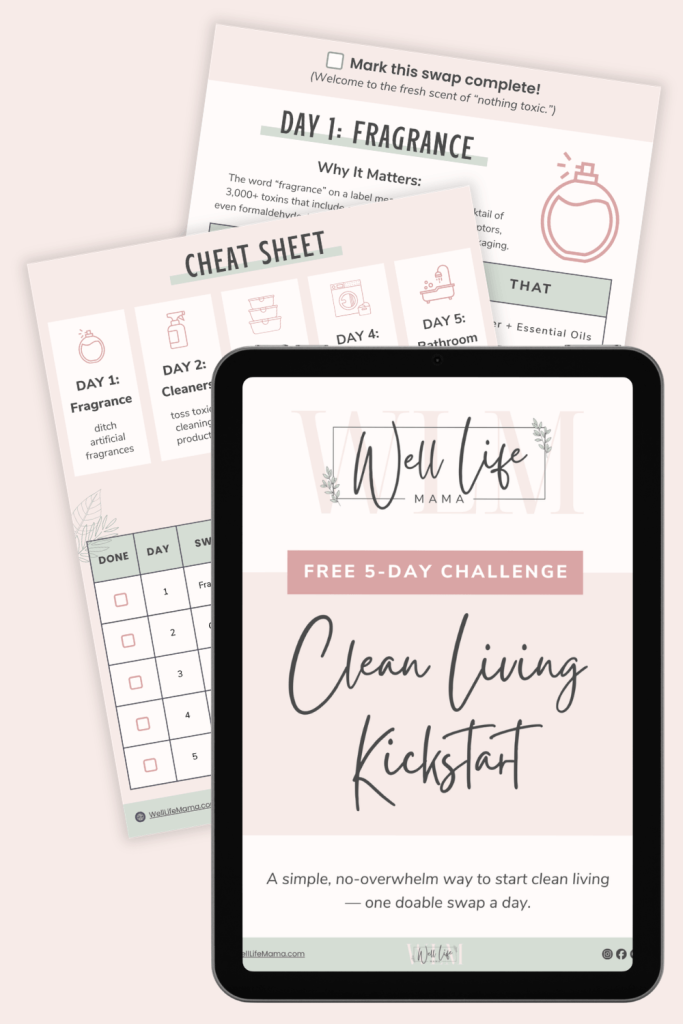
5 Days to a Cleaner, Low-Tox Home (Without the Overwhelm)
You don’t need to replace everything you own or go down an ingredient-research rabbit hole to start living cleaner.
This FREE 5-Day Clean Living Kickstart walks you through one simple swap a day—the kind that actually fits into real life (yes, even mama life).
No overwhelm. No perfection required. Just progress you can feel good about.







0 Comments